




250%
Marketing ROI Delivered

50+ Campaigns Launched This Year!

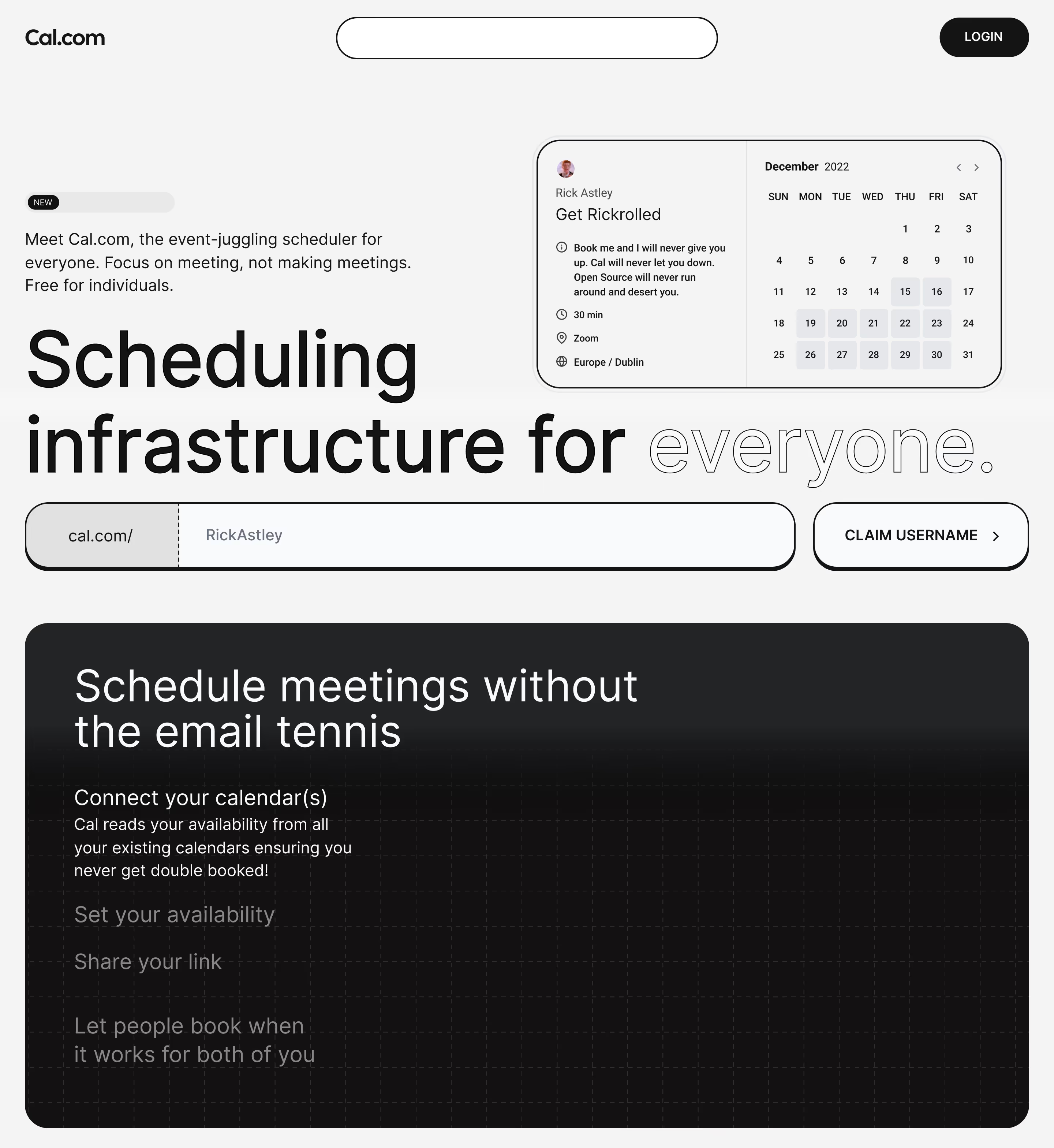
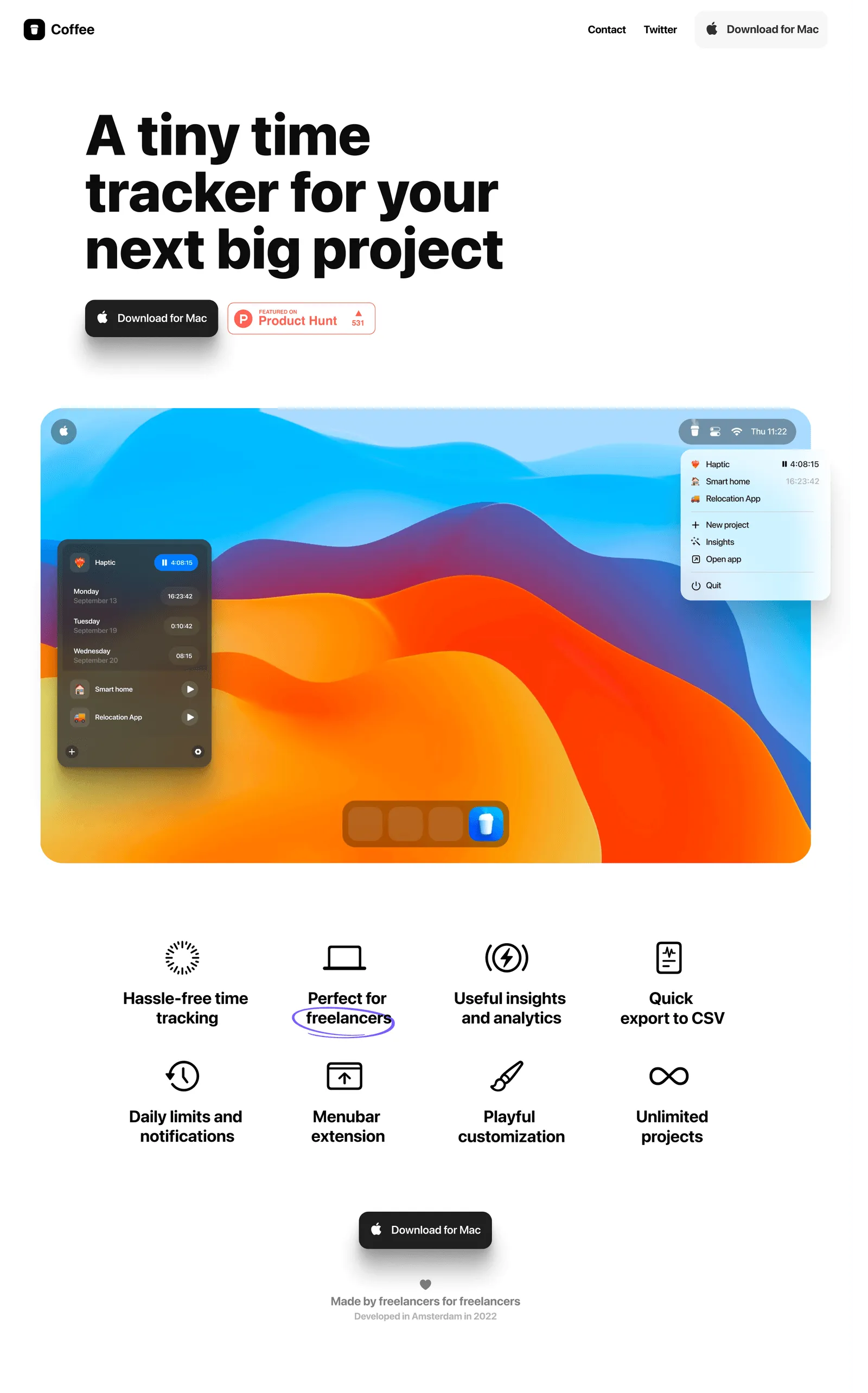
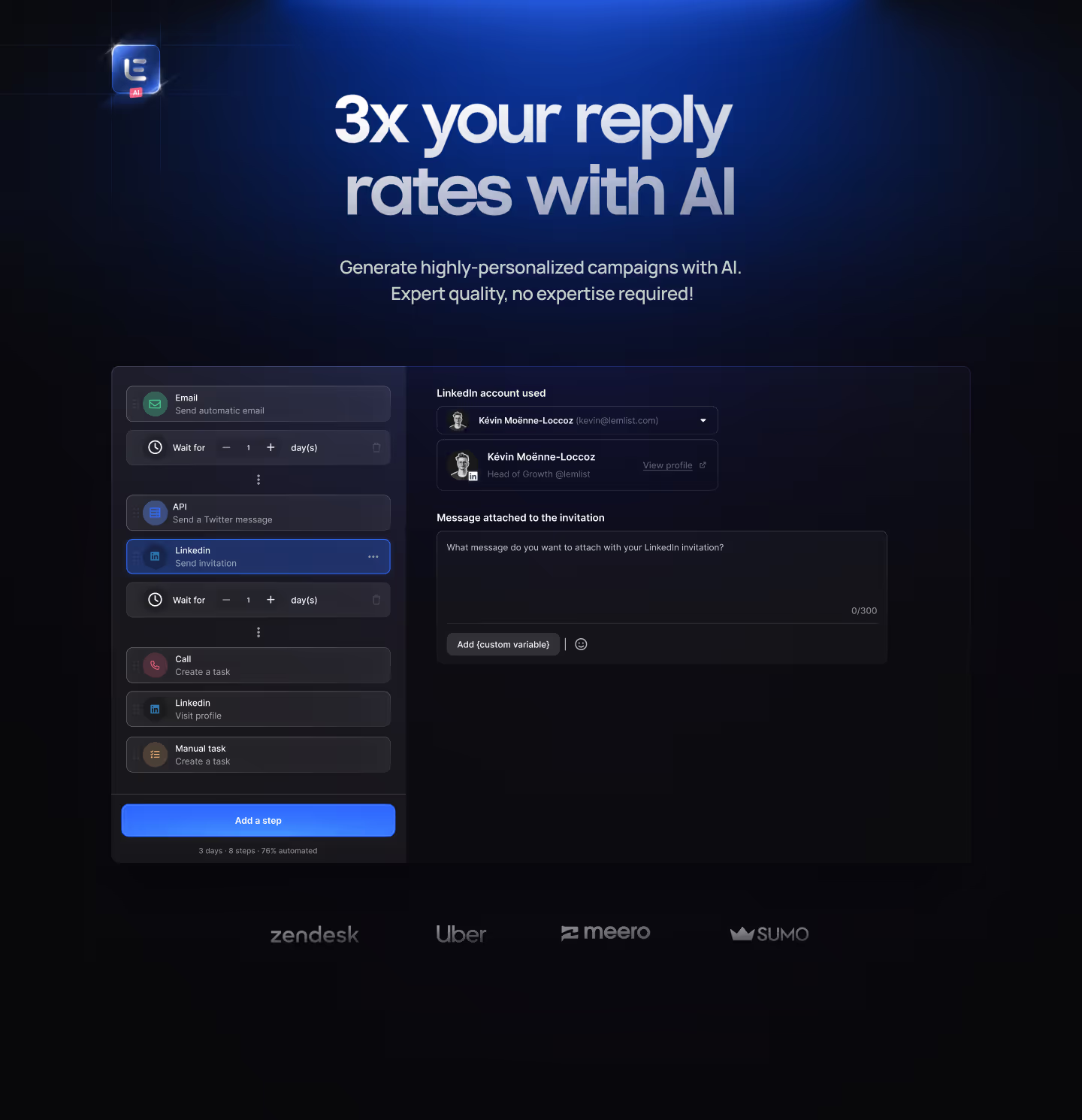
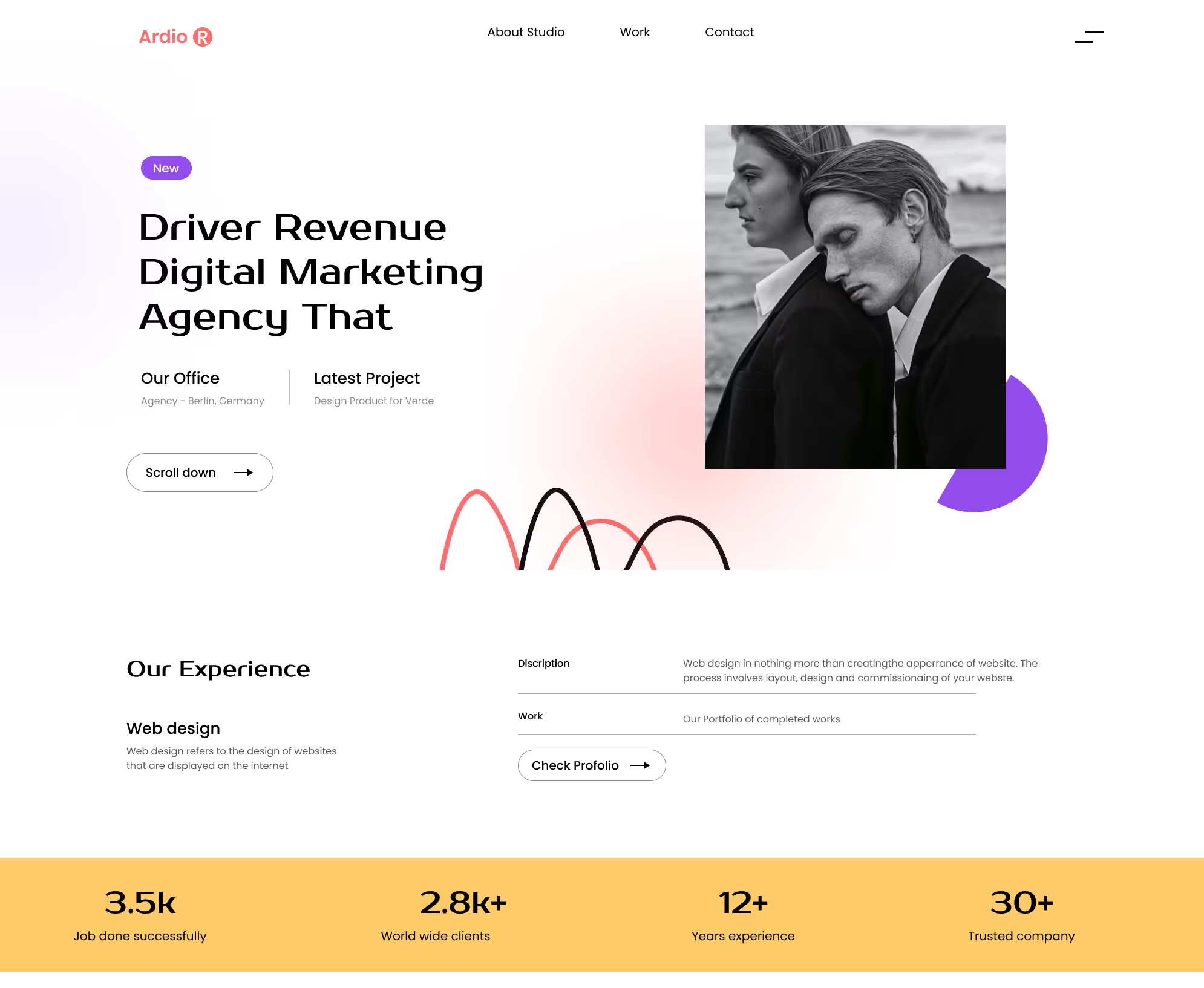
Fintech website design & development — built for trust, speed, and scale

We design and develop fintech websites that benchmark against the best fintech websites globally — without sacrificing compliance or performance.
Every layout, interaction, and system is built to help users understand your value quickly — and trust it enough to act.

100%
Money back guarantee!
300+
Projects Completed
97%
Client retention rate!
Design That Works as Hard as You Do

Strategic Design Built for Real B2B Outcomes

Building Instant Trust

Clear structure, familiar UI patterns, and clean visuals help users feel confident from the very first glance.

Bringing Clarity to Complexity

Complex financial information is organized in a way that’s easy to understand, so users never feel confused or overwhelmed.

Creating Smooth Conversion Journeys

Every flow — from onboarding to pricing and forms — is designed to guide users effortlessly toward action.

You’re never left guessing.

We run a consistent reporting rhythm that gives you full visibility into performance, progress, and blockers.

Real dashboards, real data, and clear insights — so decisions become easier, faster, and smarter.
This is where you feel the shift from “reactive marketing” to controlled, measurable growth.
Our  Process

A structured workflow built for regulated, fast-moving fintech teams.

A well-defined workflow designed to meet the demands of regulated fintech environments while keeping up with rapid growth. It ensures compliance, reduces friction, and helps teams move faster with clarity and control.

Architecture & planning

We map user journeys, content structure, CMS logic, and compliance constraints before execution begins.

UX & visual design

Clear hierarchy and structured UX ensure fintech content marketing assets are discoverable, readable, and effective across complex financial journeys.

Webflow development

 Fast, flexible, and secure Webflow builds — without unnecessary complexity or technical debt.

Integrations

CRM, analytics, tracking, automation, and growth tools configured for scale.

Performance & QA

Accessibility, responsiveness, speed, and device testing across environments.

What We Do

Built for launch. Structured for long-term growth.

Designed to help you launch quickly without cutting corners, while building a solid foundation for future growth. It keeps your product flexible, scalable, and ready to evolve as your business expands.
Webflow-ready design system
A structured system built specifically for seamless Webflow implementation, ensuring speed and consistency.
Fully Responsive Layouts
Optimized designs that provide a flawless user experience across mobile, tablet, and desktop screens.
Modular Component Library
A library of reusable elements designed for easy scalability and rapid page building.
SEO-Ready Architecture
Clean, technical foundations built to improve search engine rankings and organic visibility.
Tracking, Analytics, & Automation
Full setup of essential data tools and automated workflows to track user behavior and growth.
Motion & Accessibility Guidelines
Inclusive design standards combined with smooth, purposeful animations for a premium feel.
Documentation & CMS Training
Comprehensive guides and hands-on training to help you manage your content independently.
Ongoing Support Options
Flexible post-launch support to assist with updates, maintenance, or technical needs.
Fintech SEO & Discoverability
Specialized architecture tailored for long-term growth and visibility within the fintech industry.
What We Deliver

Solutions Built for Every Fintech Vertical

We focus on a broad range of financial technology sectors, including payments platforms, lending and credit products, wealthtech and investment platforms, neobanks and digital banking products, insurtech providers, and regulated B2B financial software.

Payments platforms

These are digital systems that facilitate the transfer of funds between parties. They enable businesses and consumers to process online transactions securely and efficiently using various methods like credit cards and digital wallets

Lending and credit products

These refer to financial services where institutions provide capital to individuals or businesses with the expectation of repayment. This includes personal loans, mortgages, and credit lines to help manage cash flow or big purchases.

Wealthtech and investment platforms

These platforms use technology to simplify the process of investing and managing wealth. They provide users with digital tools to buy stocks, manage portfolios, and receive financial advice without needing a traditional broker.

Neobanks and digital banking products

Neobanks are "apps-only" financial institutions that operate entirely online without physical branches. They offer streamlined banking services, such as checking accounts and money transfers, with a focus on a seamless mobile experience.

Insurtech providers

These companies use technology to modernize the insurance industry. By using data and digital platforms, they make it easier for customers to purchase policies, manage coverage, and process claims quickly.

Regulated B2B financial software

This software is designed for business-to-business financial operations. It ensures that complex transactions, payroll, or accounting tasks comply with strict government financial laws and industry regulations.

We don’t just increase ranking — we increase qualified demand.

All strategy and execution are led by senior SEO experts — not outsourced or junior-only teams.

Fintech Web Design & Development

These are the most common questions teams ask when evaluating a long-term SEO partner or building an organic search system designed for modern search engines and AI-driven discovery.

What is fintech website design and development?

Fintech web design and development is the process of creating secure, high-performance websites for financial products — combining UX clarity, conversion-focused design, and scalable technical architecture

Why is fintech web design different from standard website design?

Fintech websites must simplify complex information, support regulated content, and communicate trust instantly. Design, structure, and performance matter more because users are making financial decisions.

Do you design and build fintech websites in Webflow?

Yes. We design and develop directly in Webflow to enable speed, flexibility, and long-term maintainability without ongoing engineering dependency.

How long does a fintech website project take?

Most projects take 4–6 weeks for design and 6–12 weeks for full design and development, depending on scope, approvals, and complexity.

Can you redesign an existing fintech website?

Yes. We audit UX, restructure content, modernise the design system, and rebuild for performance, clarity, and conversion.

Do you create scalable design systems for fintech?

Yes. Every project includes a reusable design system that supports landing pages, dashboards, and future product or marketing needs.

Can design and development improve fintech conversion rates?

Absolutely. Improving hierarchy, onboarding flows, messaging clarity, performance, and micro-interactions directly impacts sign-ups, demo requests, and account creation.

Do you support multi-region or regulated markets?

Yes. We design scalable frameworks that support localisation, multi-language content, and regional compliance without fragmenting the system.

Is accessibility included?

Yes. Accessibility, contrast, typography, and navigation standards are built into every fintech website.

Do you offer ongoing support after launch?

Yes. Teams can continue with iterative improvements, new pages, feature extensions, or system maintenance as the product evolves.

What makes a high-performing fintech website?

A high-performing fintech website combines fast load times, clear UX, strong trust signals, compliant content structure, and conversion-focused flows. The best fintech websites balance design quality with technical performance and user confidence.

How do we get started?

It starts with a short discovery call. From there, we define scope, timelines, and move into UX architecture and execution.